
Summary
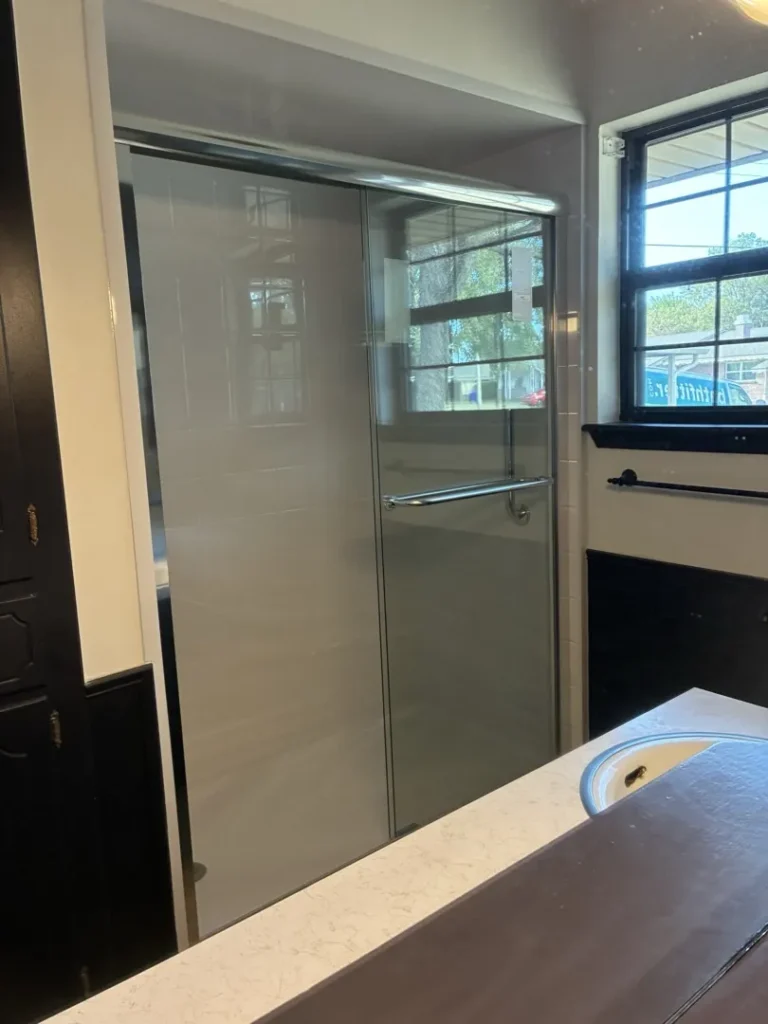
- A tub-to-shower conversion removes your bathtub and builds a walk-in shower in the same footprint, with a low step-in base, new drain work, a valve and waterproof walls.
- A Bath Fitter conversion runs $8,500 to $17,000 and is often done in as little as one day. Rot repair in the wet area is included.
- The biggest risks are hidden damage behind the old tub, surprise charges, failed silicone seams and unlicensed labor.
- Keep at least one tub in the house if someone still takes baths or you have small kids.
In this guide
Are you climbing over a tub wall every morning for a bath you haven’t taken in years? Wondering if that tub can come out and a walk-in shower go in its place, and what that really involves?
Homeowners ask us some version of that every week, from Columbia and Augusta to Memphis, Tri-Cities and Oklahoma City. Since Louie Mullikin opened our family’s first Bath Fitter office in 2003, our teams have turned a lot of tubs into showers. We’ve also told plenty of homeowners to keep theirs. Sometimes a tub is the right call for your house, and sometimes the house needs a plumber or a foundation crew before anyone touches the bathroom.
Here’s how a tub-to-shower conversion actually works. We’ll cover what gets removed and what goes in, how long it takes, what it costs, what can go wrong, and what to ask any company you’re considering, us included.
What is a tub-to-shower conversion?
A tub-to-shower conversion takes out your bathtub and builds a shower in the same space. In most homes, that’s a standard 60-inch tub in an alcove, and the new shower uses the same footprint, so the room layout doesn’t change.
Every conversion, no matter who does it, has the same basic parts:
- Tear-out and disposal of the old tub and surround.
- A shower base (also called a pan) with a low step-in instead of a tall tub wall.
- Drain work so the drain lines up with the new base.
- A shower valve and the trim you see: the handle, showerhead and spout.
- Waterproof walls, either tile over a waterproofing membrane, panels, or a one-piece wall.
- A door, curtain or glass panel to keep the water in.
Where companies differ is the walls and who does the work. A tile conversion is built piece by piece and usually takes several trades and several days. A store-bought kit uses two or three panels joined at the corners with silicone. An acrylic system like ours is custom-made for your space and installed by one crew.
Bath Fitter manufactures the acrylic bases and one-piece walls we install, and our own employees measure, install and service them. Aaron Bishop, who runs our Columbia and Augusta teams, described the wall this way:
“We offer a one-piece wall. It is kind of our staple.”
Aaron Bishop · Operations Manager, Columbia and Augusta
One piece matters because the corners are bent from a single sheet. There are no corner seams to fill with silicone and no grout lines for water to work through. Our guide to acrylic shower walls covers the material in detail.
Can any bathtub be converted to a shower?
Most can. A standard tub in a three-wall alcove is about as simple as a conversion gets. A few things make it more involved:
- The drain is in an unusual spot. It can usually be moved to match the new base, but that’s plumbing work and it should be in the quote.
- The space is an odd size. Longer or deeper spaces may need a custom base, which can add time.
- The ceiling is tall. A standard wall plus the base reaches about 96 inches. Taller ceilings get a sealed upper section.
- Something is hiding in the walls. That boxed-in soffit above an old fiberglass unit often holds ductwork or plumbing.
- The house has bigger problems. A sinking foundation or a main sewer line that backs up needs a specialist first.
The other question is whether you should. With young kids and no other tub in the house, or you plan to sell to a young family, think it through. We compare walk-in showers and bathtubs, including the resale question, in a separate guide.
What happens on installation day?
Here’s what a Bath Fitter conversion looks like, step by step. Other companies follow a similar order, though the timing varies a lot.
- Protect the house. Floors and the path to the bathroom get covered.
- Remove the tub. The old tub and surround come out and get hauled away. A heavy cast-iron tub usually comes out in pieces.
- Inspect what’s underneath. With the tub gone, the installer checks the subfloor, studs and plumbing. If we find rot or water damage in the wet area, repairing it is included in your price.
- Plumbing. The drain is adapted to the new base, and a new valve goes in.
- Base and walls. The acrylic base is set and leveled, then the one-piece walls go up, sized to your space.
- Finish. The trim, door or curtain rod, shelves, seat and grab bars go in. Then the crew cleans up and walks you through care.
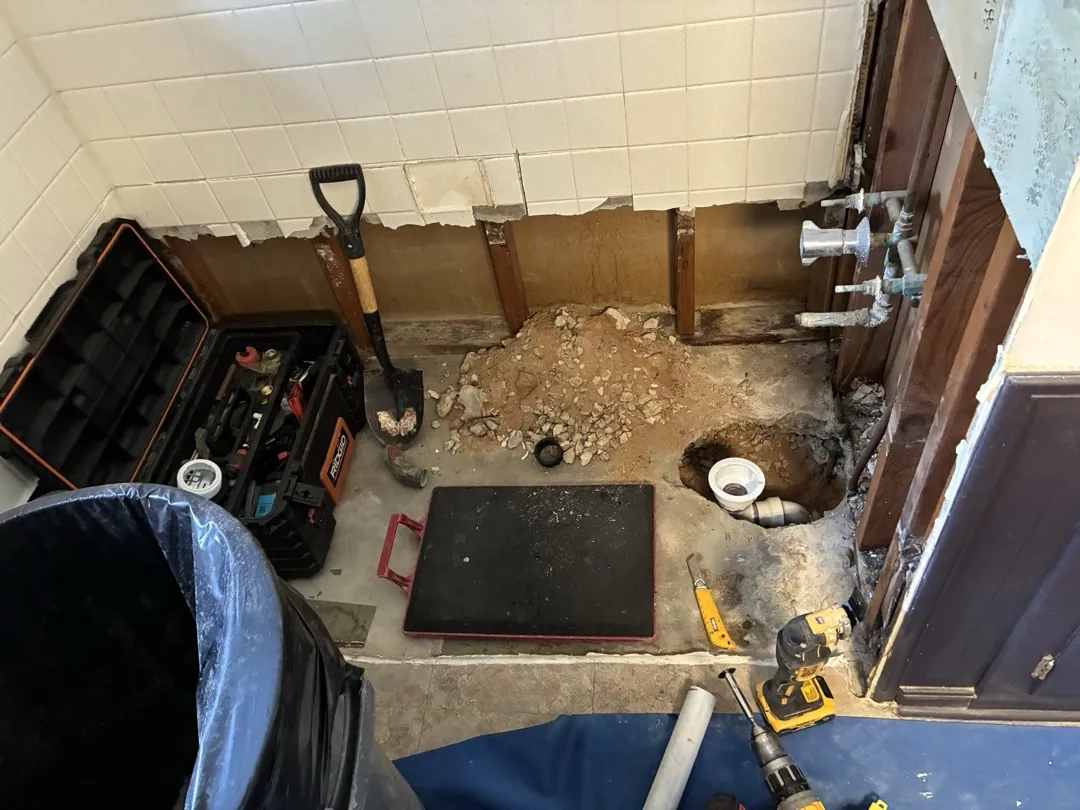
A homeowner in our Upstate SC and Western NC market summed up his day:
“Replaced our tub with walk in shower. A single technician skillfully removed our old tub/shower unit.”
John Gabbert · Upstate SC and Western NC · Bath Fitter customer review
How long does a tub-to-shower conversion take?
A tiled conversion usually takes several days to a couple of weeks, because the tile, mortar and grout each need time to set, and several trades come and go.
A Bath Fitter conversion is often done in as little as one day. More than 9 in 10 of our jobs scheduled for one day finish in one day. The ones that don’t usually involve a custom base, hidden lines in the wall, or repairs that need drying time. Custom glass is measured after the old tub comes out, so you may have a curtain rod for a short time while the glass is made.
Our article on one-day shower remodels explains why some jobs take two days.
How much does a tub-to-shower conversion cost?
It depends on who does it and what you choose. Here’s how the common options compare:
| Option | Typical cost | Time without a shower | What to know |
|---|---|---|---|
| Store-bought kit installed by a handyman | About $6,000 to $7,000 | Depends on the installer’s schedule | Demo, disposal and plumbing may cost extra. Panels are joined with silicone. Product and labor warranties usually come from different companies. |
| Bath Fitter tub-to-shower conversion | $8,500 to $17,000 | Often as little as one day | Custom base and one-piece walls, installed by our own employees. Rot repair in the wet area is included. Lifetime warranty on Bath Fitter acrylic. |
| Full mid-range bathroom remodel | $26,138 national average | Several weeks | Includes the vanity, toilet, flooring and lighting along with the tub or shower. |
Most of our conversion customers end up near the middle of that range. What moves you toward the top: custom glass, a fold-down seat, extra shelving, grab bars and upgraded fixture finishes. White walls, chrome trim and a curtain keep it toward the bottom. The price covers the tub and shower area. Vanities, flooring and lighting aren’t part of it.
For the full breakdown, see our 2026 Bath Fitter cost guide. For your own number, get an Instant Estimate.
What can go wrong with a tub-to-shower conversion?
Most conversions go smoothly. When they don’t, it’s usually one of these:
Hidden damage behind the old tub. A fiberglass tub can leak for years without showing anything on the surface. You find out when it comes out. Ask before you sign whether repairing it is in your price or a change order. We explain the warning signs in what’s hiding behind your old tub.
Surprises in the walls. On Episode 1 of our podcast, William and Cam traded stories about what turns up: HVAC lines in the soffit above the shower, a dryer vent tucked under a molded corner seat, PEX plumbing running every direction. A good installer plans for this. A rushed one tacks on charges.
Seams that fail. Silicone corner seams on multi-panel kits are a common failure point. Water gets behind the walls, and the damage starts all over again.
Unlicensed labor. If an unlicensed worker floods your home, your homeowners insurance may not cover it. Make sure whoever you hire is licensed, insured and bonded.
Removing a tub you’ll miss. This one is about planning. If someone in the house still takes baths, or you need a tub for small kids, keep one somewhere in the home.
What should you ask before you hire anyone?
- Is tear-out and disposal of the old tub included?
- Who does the plumbing, and are they licensed?
- If you find rot when the tub comes out, what does that cost me?
- Are the walls one piece, or panels joined with silicone?
- How long will I be without a shower, including the glass?
- If something fails in year ten, which company do I call?
So is a tub-to-shower conversion right for you?
If nobody in the house uses the tub, stepping over it has gotten harder, or you’re tired of scrubbing grout, a conversion is often the best money you can spend in a bathroom. If someone still loves a soak, or the house has bigger problems, it may not be the right call yet.
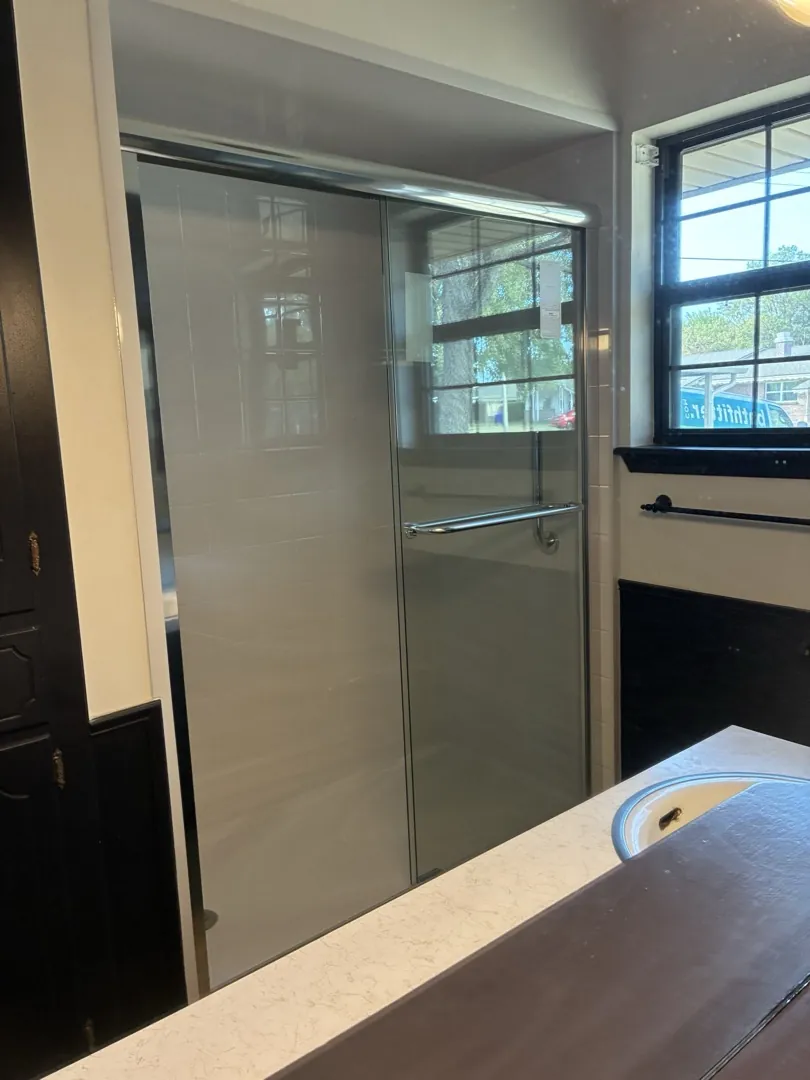
Planning for safety? Our aging-in-place guide covers low step-ins, seats and grab bars. See more finished conversions in our project gallery, or learn about our tub-to-shower conversion service. Local conversion pages: Oklahoma City, Columbia and Upstate SC and Western NC.
Every Bath Fitter tub and shower comes with a lifetime warranty, and if our name is on it, we do our best to make it right. When you’re ready, get an Instant Estimate in a few minutes. Whoever you hire, make sure they do what they say they’re going to do.
Sources
Frequently asked questions
How much does a tub-to-shower conversion cost?
A Bath Fitter tub-to-shower conversion runs $8,500 to $17,000, and most customers end up near the middle. Glass, seats and upgraded finishes push it higher. A store-bought kit installed by a handyman can cost less, and a full bathroom remodel averages much more. Your written quote sets the final number.
How long does a tub-to-shower conversion take?
With Bath Fitter, many conversions are done in as little as one day, and more than 9 in 10 jobs scheduled for one day finish that day. A tiled conversion usually takes several days to a couple of weeks.
What happens if you find rot when the tub comes out?
If we find rot or water damage in the wet area, repairing it is included in your price. Larger structural problems or damage outside the wet area are a separate scope, and we'll explain them before any work happens.
Can I add a seat and grab bars to my new shower?
Yes. Fold-down seats, molded seats, grab bars and handheld showerheads can all be part of a conversion. Plan grab bar placement with your consultant, since the holes are permanent. Our aging-in-place guide covers the options.
Will removing my only bathtub hurt resale?
It depends on who buys homes in your area. Families with young kids often want a tub, while many other buyers prefer a walk-in shower. If it's the only tub in the house, talk to a local real estate agent before you decide.
Can I keep my tub and just update it instead?
Yes. If you like your tub, a custom-fit tub liner with new walls or a tub replacement may fit better. Our guide to tub liners, reglazing and replacement compares the costs.
This guide applies to: Bath Fitter Augusta, Bath Fitter Columbia, Bath Fitter Little Rock, Bath Fitter Memphis, Bath Fitter Oklahoma City, Bath Fitter Tri Cities, Bath Fitter Upstate SC/Western NC.